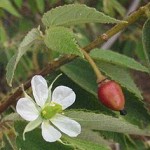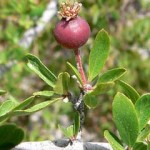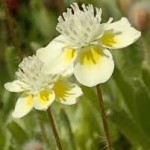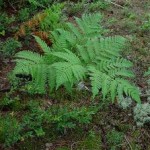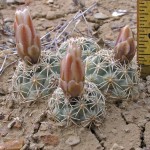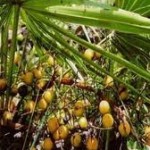
Call it an occupational hazard but I began to wonder one day how many genera were unique, that is, they had just one edible species in them, the so called monotypic genus. Some families are huge such as the sunflower family which has 1550 genera and 24,000 species. The oxalis genus has some 800 members. Worldwide there are more than 16,000 genera and over one million different species, of which perhaps 135,000 are edible, a little more than 10 percent. There are some 438 monotypic genera, each with just one species in it. But, how many edibles are among them? I knew of five edible plants locally that were all the only species in their genus. So I began to collect them, with thanks to KoolAid_Free_Lexi. At the moment I am at 64, the largest collection of them in one place. I’m sure some my readers, like Kool AId,  will send me more monotypic genus edibles, all unique in their own way. In the list below there are a few well-known plants: Gingko, dill, fennel, Saguaro cactus, saw palmettos, hydrilla, brazil nuts. Others are rare if not obscure, endangered and some federally protected.

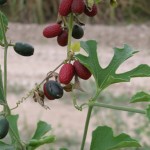
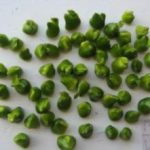
Abobra tenuifolia. The Cranberry Gourd is a native of South America, specifically Argentina, Brazil and Uruguay. The egg-shaped fruit is edible. If you are thinking of growing it you need male and female plants.
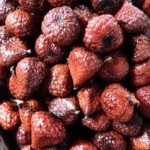
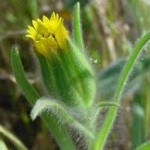
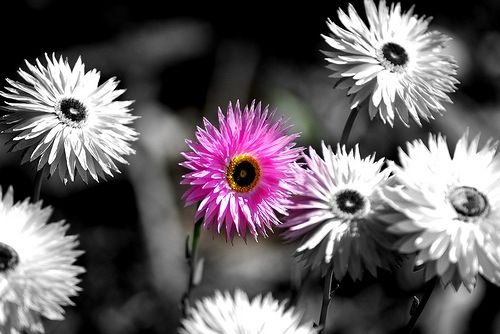
Achyrachaena mollis, Blow Wives. The roasted seeds were eaten by California Indians.
Blow Wives
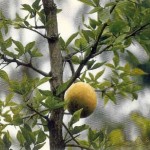
Aegle marmelos, Bael, is a native of Southeast Asia, from India to the Philippines. The Bael fruit has a smooth, hard woody shell with a gray, green or yellow peeling. It takes about 11 months to ripn reaching the size of a grapefruit. The yellow pulp is aromatic smelling like marmalade and roses combined. It is eaten fresh or dried, the juice is used to make a drink like lemonade. Leaves and small shoots are used as salad greens. Twigs are used as chew sticks
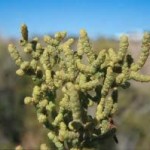
Allenrolfea occidentalis, Iodine Bush, Pickleweed. Young stems are edible raw in limited amounts because of being salty. Used as a cooked green. The seeds are also edible.
Iodine Bush
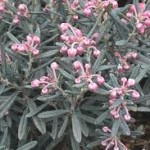
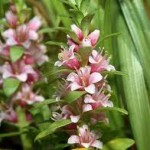
Andromeda polifolia, Bog Rosemary. A cold water tea made from the mascerated plant was drank by the Ojibway Indians.  Do NOT make a tea using hot water. That will make the tea toxic.
Bog Rosemary
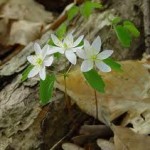
Anemonella thalictroides, Rue Anemone. The starchy root is edible after cooking.
Rue Anemone
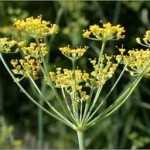
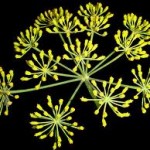
Anethum graveolens, dill. Where would pickles be without dill? I use dill in many supper time concoctions, usually involving cucumbers.
Dill
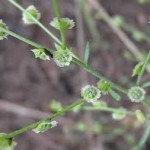
Athysanus pusillus, Sandweed. Its small seeds have been used as food.
Sandweed
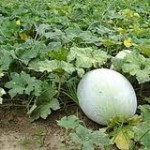
Benincasa hispida, White Gourd, eaten raw or cooked, young or old, used as a vegetable; flowers and leaves steamed as a vegetable, seeds cooked. 
White Gourd
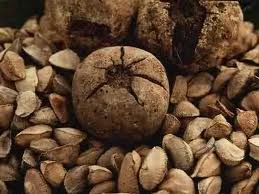
Bertholletia excelsa, the Brazil Nut. This common edible needs little introduction. From South American the tree itself grows to nearly 200 feet high and is named after French chemist Claude Louis Berthollet.  Brazil nut
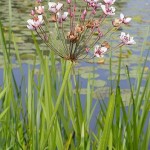
Butomus umbellatus, flowering rush. A native of Eurasia the Flowering rush is become endangered in some areas of its native range but a pest in areas where it has been introduce, such as the Great Lakes. The root can be boiled and eaten. Flowering Rush
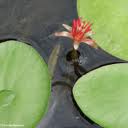
Brasenia schreberi, Water Shield. This plant is common in Florida. It is odd in that its underleaf and stem are covered in a clear gel, making identification easy. To read more about the Water Shield click here.
Water Shield
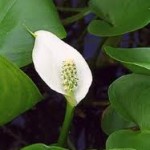
Calla palustris, Water Arum, a northern tier species. To read more about the Water Arum click here.
Water Arum
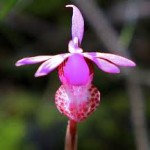
Calypso bulbosa, Deer Orchid, Fairy Slipper. The corm-like root was eaten by Indians.
Deer Orchid
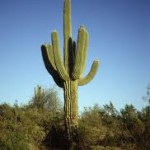
Carnegiea gigantea, Saguara, among the most famous of the cactus clan, and with quite edible fruit.
Saguara
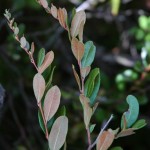
Chamaedaphne calyculata, Leatherleaf. Leaves mashed in cold water, drunk as a cold tea by the Ojibway Indians.
Leatherleaf
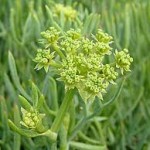
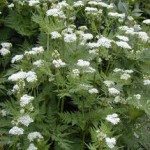
Crithmum maritimum, Samphire. the salty leaves can be pickled in vinegar, added to salads, used like capers; flowers in salads. Often chopped and mixed with olive oil and lemon juice to be used as a salad dressing.
Samphire
Cycloloma atriplicifolium, Winged Pigweed. The seeds can be ground and used for mush or as cakes.
Winged Pigweed
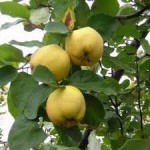
Cydonia oblonga, quince. My mother has one growing outside her front door. When it takes over the doorstep it gets a trim.
Quince
Enhalus acoroides, Tape Seagrass, is a sea grass, not a seaweed and not algae, but a grass that grows in tidal saltwater. The chestnut tasting seeds are eaten  
Eleiodoxa conferta, Kelubi, is a Southeastern Asia palm that dies upon reaching maturty. The heart is edible and the fruit is pickled or used as a substitute for tamarind or made into sweets.  
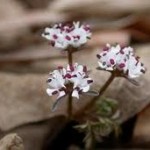
Erigenia bulbosa, Harbinger of Spring. The small root is edible raw.
Harbinger of Spring
Floerkea proserpinacoides, False Mermaid. The spicy plant above ground is eaten raw.
False Mermaid
Foeniculum vulgare, fennel. I can’t cook without fennel.
Fennel
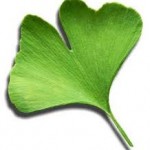
Ginkgo biloba. I first saw them in Japan and later outside Bailey Hall at the (then) University of Maine campus, Gorham, Maine. Now there’s one not a quarter of a mile away from me here in Florida. To read more about the ginkgo click here.
Ginkgo
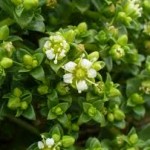
Glaux maritima, Sea Milkwort. Young shoots edible raw, leaves and stems pickled.
Sea Milkwort
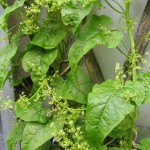
Hablitzia tamnoides, Spinach Vine, Caucasian Vine, related to Chenopodiums, shoots and leaves are edible, raw or cooked.  
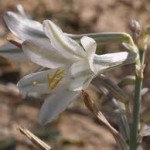
Hesperocallis undulata, Desert Lily. Large tubers are edible but grow deep in difficult soil.
Desert Lily
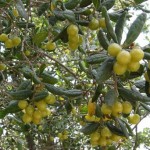
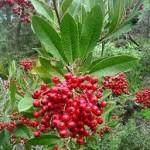
Heteromeles arbutifolia, Toyon. Bitter fruit edible, should be cooked, roasting works. Can be dried and ground into a meal, also mashed, mixed with honey and water to ferment into cider. Leaves toxic.
Toyon
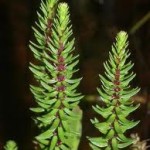
Hippuris vulgaris, Marestail. Tips can be boiled.
Marestail
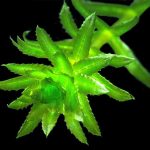
Honckenya peploides, Sandwort, Sea Chickweed. Whole plant edible raw or cooked. Is not a good flavor. Can be fermented like sauerkraut. Berries eaten with fat.
Sandwort
Hydrilla verticillata poses a bit of a mystery. You can buy it in health food stores powdered but there are no ethnobotanical uses to guide us on how to prepare it. Suggestions welcomed.
Hydrilla
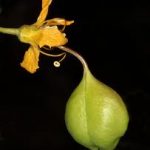
Isomeris arborea, Bladderpod. Pods edible after cooking.
Bladderpod
Levisticum officinale, Lovage, an herb garden staple. 
Lovage
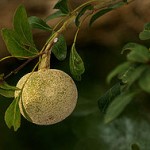
Limonia acidissima,Wood-Apple, is a native of Southeast Asia particulary in the India area. The pulp is eaten out of hand, made into drinks, or jam.  
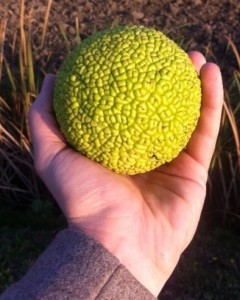
Maclura pomifera, the Osage-Orange, almost universally reported as not edible. A native to central North America the seed kernels are edible raw or roasted.

Osage-Orange

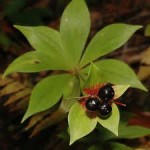
Medeola virginiana, Indian Cucumber, a well-known edible in the eastern half of North America.
Indian Cucumber
Modiola caroliniana, Carolina Bristlemallow survives locally by growing low in lawns. Resembles flat leaf parsley. To read more click here.
Carolina Bristlemallow
Muntingia calabura, Jamaican Cherry though it is a native of southern Mexico. Fruit is eaten out of hand, sweet juicy, use to make jellies, jam, tarts, pies and added to cold cereal as as other fruit is. Yellow and red forms, very hight in vitamin C, leaves are used to make a tea.
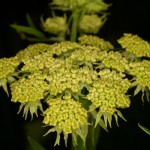
Myrrhis odorata, Sweet Cicely, leaves raw in salads, added to soups and stews, garnish for fish dishes or brewed into tea. Used in candy making. Roots eaten after boiling, served with oil or candied, seeds used as a spice and to favor chartreuse.
Sweet Cicely
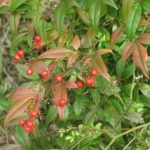
Nandina domestica, Nandina. Barely edible, leaves cooked many times and seedless fruit pulp useable. To read more click here.
Nandina
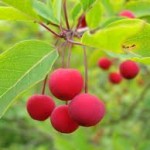
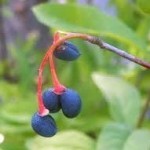
Nemopanthus mucronatus, Mountain Holly, fruit eaten by Indians.
Mountain Holly
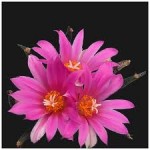
Neogomesia agavioides, red fruit edible but very rare.
Neogomesia agavioides
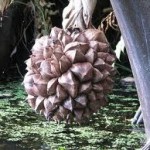
Nypa frutescens is an Asiatic palm tree with edible fruit called Nipa. In the Philippines the sap is to make sugar, alcohol, and vinegar. It’s flowers are boiled to make a sweet syrup. Unripe seeds are eaten raw and used to flavor ice cream. The fronds are used for thatching.
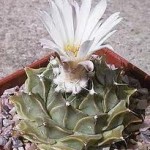
Obregonia denegrii, white fruit edible.
Obregonia denegrii
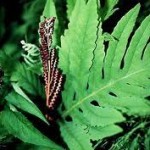
Onoclea sensibilis, Sensitive Fern, rhizome eaten by Indians, young shoots of a variation called interrupta boiled as a green.
Sensitive Fern
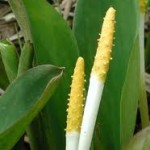
Orontium aquaticum, Golden Club. Roots dried and ground into flour, seeds dried and boiled in several changes of water until paltable, same with flowers.
Golden Club
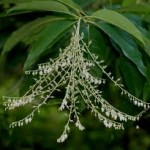
Osmaronia cerasiformis, Oso Berry. Fruit edible raw, bitter, cooking improves flavor.
.
Oso Berry
Oxydendrum arboreum, Sourwood. Young, tender leaves edible raw.
Sourwood
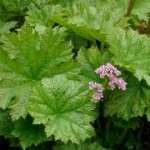
Peltiphyllum peltatum, Indian rhubarb. Peeled leafstalk edible raw or cooked.
Indian rhubarb
Peraphyllum ramosissimum, Squaw Apple. The bitter ripe fruit is edible.

Squaw Apple

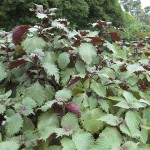
Perilla frutescens, Perilla, one  species, three varities, wildly used in Asian cooking.

Perilla

Peumus boldus, Boldo, is native to Chile. Its leaves are used similar to a bay leaf for flavoring although the flavor is different than a bay leaf. Boldo’s small, green fruit is also edible. The flavor is similar to epazote. The leaves also make an herbal tea which is sold commercially.

Boldo

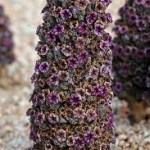
Pholisma arenarium, endangered. The root is edible.
Pholisma arenarium
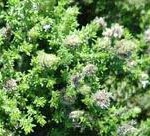
Piloblephis rigida, Florida Pennyroyal. Very intense, found in scrub land, to read more click here.
Florida Pennyroyal
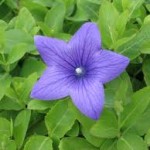
Platycodon grandifolus, Balloon Flower, roots, leaves and blossom edible raw.
Balloon Flower
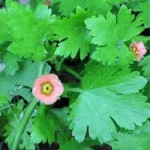
Platystemon californicus, Cream Cups, Leaves were cooked by Indians.
Cream Cups
Pteridium aquilinum, Bracken Fern, to read more click here.
Bracken Fern
Ravenala madagascariensis, Traveler’s Palm, bright metalic seeds are quite edible. To read more click here.
Traveler’s Palm
Sclerocactus mesae-verdae, federally endangered and protected, fruit eaten by Indians.
Sclerocactus mesae-verdae
Serenoa repens, Saw Palmetto. The infamous…. the fruit tastes like rotten cheese soaked in tobaccon juice, and $70 million business in Florida. To read more, click here.
Saw Palmetto
Stangeria eriopus. Books a century old or older say the Cycad seeds are edible after cooking. I would be wary. It is a toxic family. I would have a picture here but my program absolutely will not allow it.
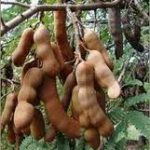
Tamarindus indica, the tamarin, a spice that works is way into your kitchen.
Tamarin
Umbellularia californica, California Laurel, Oregon Myrtle, root bak makes a tea, leaves used like a bay leaf. Nut is edible raw or roasted, its spicy envelope is also edible.
Umbellularia californica


{ 35 comments }

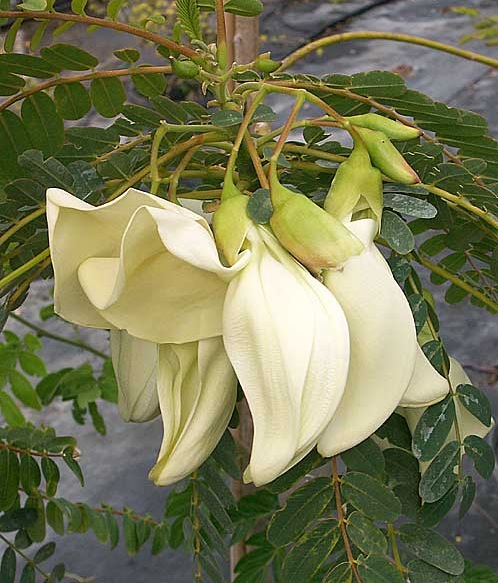
Original White Blossomed Sesbania Grandiflora

Any plant called the Vegetable Hummingbird has to be written about.

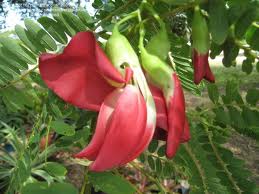
Red Blossomed Variety

Sesbania grandiflora, has managed to work its way into warmer areas of the world from its native India or southeast Asia. If you have a frost you might be able to pot it and take it inside but it won’t survive in the yard or field. It grows best in hot, humid areas including south Florida where it’s naturalized.

It has at least five dozen common names. Among them in English are: Sesbania, August Flower, Australian Corkwood Tree, Flamingo Bill, Grandiflora, Sesban, Swamp Pea, Tiger Tongue, Scarlet Wistaria, Vegetable Hummingbird, West Indian Pea, Parrot Flower, and White Dragon.

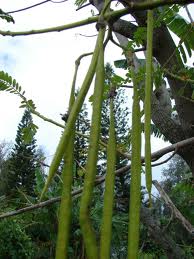
Fruit is used like string beans

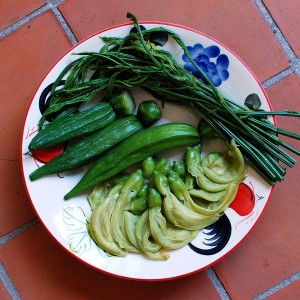
The shrub’s long narrow pods are eaten as a vegetable, similar in use to string beans. The seeds are fermented into a tempeh turi. Young leaves and shoots are eaten in salads or as a pot herb or in soups and stews. Its flowers are eaten raw in salads, boiled, fried or use in curries, stews and soups. They taste like mushrooms and are rich in iron and sugar, read sweet.

The Sesbania is a fast-growing tree with a typical adult height of between 3 and 15 feet. The leaves are regular and rounded and the flowers white and large, a cultivar is red blossomed. The tree thrives under full exposure to sunshine and is extremely frost sensitive. Pollinated by birds. A gum from tree wounds is called katurai and is red when fresh, nearly black after exposure. It’s an astringent gum, partially soluble in water and in alcohol, and is applied to fishing cord  to make it more durable.

Blossoms cooked and plated

Sesbania (ses-BAN-nee-uh)  is from the word Sesban which is derived from an Arab word for one of the species, S. sesban. Grandiflora (grand-dee-FLORL-uh) is much easier. It means large flowered. Other Sesbanias with edible parts include Sesbania coccinea, a cultivar of S. grandiflora, and the Sesbania sesban (the latter is also a forage crop for livestock.)  The roasted seeds of the Sesbania canavillesii has been used as a coffee substitute. All other parts are toxic. Sesbania grandiflora‘s seeds are toxic to fish. An water extract of the bark is toxic to cockroaches.

Green Deane’s “Itemized” Plant Profile: Sesbania Grandiflora

IDENTIFICATION:  Sesbania grandifolia: Tree to 40 feet, but usually smaller, thick, furrowed bark, and soft wood; leaves linate, six inches to a foot long, with 20 to 60 oblong leaflets one inch in length. Flowers pea-like, white, rose or maroon, 4″ long, fruit a pod half inch wide to two feet long.

TIME OF YEAR: Planted at beginning of your rainy season. Flowers and fruits second year though under good conditions can develop pods in nine months.  Grows fast enough to be an annual fodder crop.

ENVIRONMENT: Full sun, no frost, fast growing, short lived, raised from seed. Salt tolerant. Easily damaged by wind. Very susceptible to nematodes,

METHOD OF PREPARATION: Young fruit, foliage and flowers edible, mature seeds not eaten, bark medicinal. Leaf protein amount ranges from 25 to 36%, flowers 14.5%.

Nutrition Analysis

Leaves contain per 100 g, 321 calories; 36.3 g protein; 7.5 g fat; 47.1 g carbohydrate; 9.2 g fiber; 9.2 g ash; 1684 mg Ca; 258 mg P; 21 mg Na; 2,005 mg K; 25,679 mg b-carotene equivalent; 1.00 mg thiamine; 1.04 mg riboflavin; 9.17 mg niacin and 242 mg ascorbic acid. The flowers contain per 100 g; 345 calories; 14.5 g protein; 3.6 g fat; 77.3 g carbohydrate; 10.9 g fiber; 4.5 g ash; 145 mg Ca; 290 mg P; 5.4 mg Fe; 291 mg Na; 1,400 mg K; 636 mg b-carotene equivalent; 0.91 mg thiamine; 0.72 mg riboflavin; 14.54 mg niacin; and 473 mg ascorbic acid.

{ 9 comments }

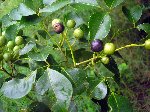
Torchwood, Sea Torchwood, Sea Amyris

One reason to write about the Torchwood is very few people know about it these days yet it was once an esteemed wood and produces an edible, citrusy fruit.

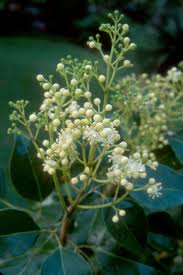
Torchwood has aromatic flowers

Torchwood, also called Sea Amyris and Sea Torchwood, is a large shrub or small tree found in the coastal hammocks of Florida and the Keys. It is also native to the Bahamas, the Virgin Islands, the West Indies and Central America. Torchwood doesn’t reach up the west coast of Florida but on the east side manages to populate up to about St. Augustine but only on the coast. Makes one wonder why? Northward gulf stream perhaps? Botanically it is Amyris elemifera (AM-irr-iss, el-em-IF-er ah.) Remember, in dead Latin “ifera” and its various forms means “bearing” or “producing.” Bulbifera bulb bearing, papyifera, paper bearing, cerifera, wax bearing et cetera. In in this case the Torchwood is packed with resin, elemifera means resin bearing. It’s in the Rutaceae family which includes Citrus also known for its resinous qualities.

Ripening fruit

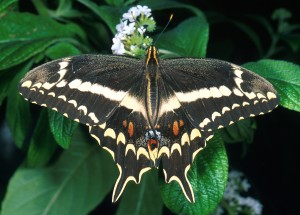
Torchwood’s very oil-ladened wood has been used or fuel and the branches make excellent torches, hence the name. In fact, it burns so brightly it was used for night fishing to capture species attracted to light. Torchwood has also been used medicinally.  In Florida Torchwood is highly  valued for different reasons these day. It is the food source for the rare and endangered Schaus Swallowtail Butterfly. And besides humans, many birds eat the small, fleshy aromatic fruit.

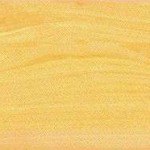
Tight grained, light orange heartwood

The mature wood is hard, close-grained, and light tan to orange colored. It’s used to make torches, posts and furniture, and is resistant to dry termite rot. In one study Torchwood fence posts were still in good shape after 13 years in the tropical ground.

Amyris is from the Greek word αμυρων (amiron, AH-mee-ron), which means “intensely scented.” It was also the name of a Greek in Sybaris (now Italy) who was surnamed “The Wise.” Amyris was sent by his fellow citizens to consult the famous oracle at Delphi. His reputation for wisdom gave rise to the Greek proverb Άμυρις μαίνεται, “the wise man is mad.”

Green Deane’s “Itemize” Plant Profile: Torchwood

The rare and endangered Schaus Swallowtail Butterfly

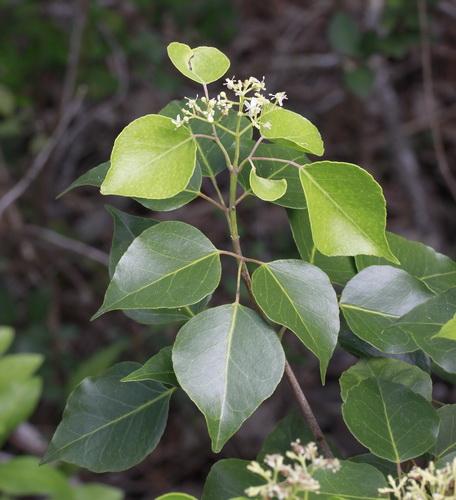
IDENTIFICATION: Amyris elemifera: Torchwood is a medium sized tree that can grow as tall as 40′ to 50′ but most often is never larger than a bushy shrub. It has a slender trunk, 10″ to 15″ in diameter. The leaves are opposite, evergreen, and compound. They are 2″ to 4½” long and composed of three leaflets. Each leaflet is 1″ to 2½” long and ovate to ovate to lanceolate in shape. The leaflets have a long, tapered end, a rounded or wedge-shaped base, and smooth or finely toothed margins. That means the leaves are pointed and drooping. The widest area of the leaves is usually in the middle. They may be medium-sized to somewhat narrow. The leathery leaflets are lustrous bright green above and dull green with glandular dots below. The bark is thin, smooth, and brownish gray. On large trunks the bark has shallow furrows roughened by small patches of exfoliating bark. Twigs, leaves, and fruits have slight citrus odor when crushed.

TIME OF YEAR: Flowering and fruiting irregularly during the year but favors March to October.

ENVIRONMENT: Torchwood grows on sandy, rocky soils near the ocean and high, rich hammocks farther inland. Does well on moist, well-drained sandy or limestone soils, with humus top layer. Salt tolerant.

METHOD OF PREPARATION: White flowers lead to purple to black, round, cherry-like drupe covered by a bluish, waxy bloom. The flesh is thin, fragrant and edible. One seed, pale brown. Don’t eat the seed.

HERB BLURB

From a report 5 May 1966: “An alcoholic extract of this plant was made and an acidified aqueous solution was purified with ether and chloroform. This aqueous extract was fractionated on an ion exchange column and the spectra of the eluates were investigated. From the spectra it appears that pteridine and purine structures are indicated for the alkaloids.”

{ 2 comments }

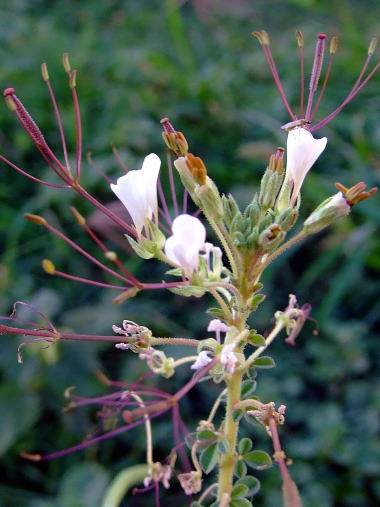
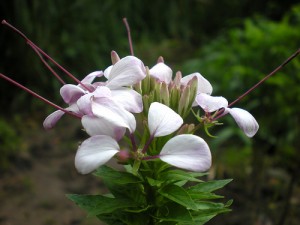
Wild Spider Flower, Cleome gynandra

The spiderwisp looks like a mustard that lost its way or got some psychedelic-laced fertilizer. It has four-petaled flowers as the mustards do, seed pods similar to mustards, and its cooked leaves taste similar to radishes, closely related to mustard. The Spiderwisp’s oil however, is closer to garlic in taste making the species quite usable all around.

Four petal blossoms

The Cleome clan is some 170 species growing in nearly every mild, subtropical or tropical climate in the world. With their unique flower clusters they got dubbed “spiderwisp” though they’re also called Cat’s Whiskers, Spider Flower and, off theme, African Cabbage. The aromatic five lobed leaves are prickly growing on strong stems. The flower heads are delicate pink, purple or white racemes with very long stamens. Spiderwisp is easy to grow and generally free of pests.

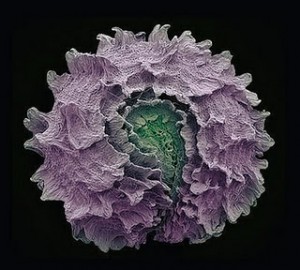
Spiderwisp seed up close

Spiderwisp is also something of an heirloom species. Thomas Jefferson grew them at Monticello. DNA testing reduced the family by some 75 species and show that they are closely related to the brassica family, which includes mustards. Despite family issues the Spiderwisp is considered good eats. Besides flavor it’s high in calcium, iron, and vitamins A and C. Often Spiderwisp is mixed with other greens to add flavor. In its native Africa Spiderwisp is also used to make relishes, side dishes, stews, is pickled with salt and added to rice for flavor. Leaves are dried, ground, mixed with fresh leaves and used to ween children.

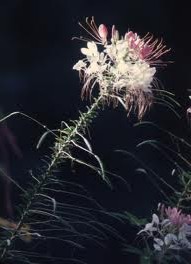
Strong stems, thin leaves

Botanically Spiderwisp is currently Cleome gynandra (Klee-OH-may  yin-ANN-dra ) though it has also been Gynandropsis gynandra, Cleome pentaphylla and a dozen other botanical names. Cleome is dead Latin for the Greek word κλέος (KLEE-ohs) meaning  “renown” and was a name philosopher Theophrastus gave to a plant that resembled mustards. Gynandra is Greek for “female/male, combining yin and andros though I am sure someone will say gin-AN-dra or ghine-AN-dra. In Greek the “gamma” before certain sounds is soft, yin not gin or ghine. Anyway, Gynandra usually refers to the union of the pistil and stamens, the male and female parts of the flower.

In the unspoken language of flowers giving Spiderwisps says you want the recipient to elope with you.

Green Deane’s “Itemized Plant Profile” Spiderwisp

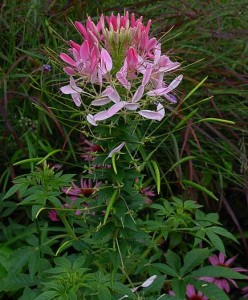
Don't confuse with Cleome spinosa

IDENTIFICATION: Cleome gynandra: Spiderwisp is a branched, hairy herb, growing to three feet or so with purplish stems that have  longitudinal parallel lines. The leaves have very long petioles and five leaflets. Leaflets are obovate or oblong obvate, pointed at the base, abruptly pointed at the tip. Flowers are racemes terminating in showy flowers somewhat spiderish in appearance. The sepals are lancelolate, green. Petals are white or tinged with purple to a half-inch, fruit a cylindrical capsule to four inches (10 c.) with many small, dark brown seeds.

TIME OF YEAR: In the wild nearly year round depending upon climate, under cultivation plant as you would okra, read after any possible frost. Slow growing in the spring. Can be planted in May, in flower from July to August, seeds September on.

ENVIRONMENT: Drought tolerant but they grow their best in moist well-drained soil and full sunlight. It is pollinated by ants.

METHOD OF PREPARATION:  Numerous. Tender leaves, young shoots and flowers eaten boiled as potherb or used as in relish, stew or as a side dish. The leaves are used fresh or dried as powder. Very bitter leaves are cooked in milk. The leaves can be blanched, shaped into small balls and dried. Dried it can be stored up to a year. Soak in water before using. Ground seeds are a mustard substitute.

Herb Blurb

Abstract
The repellency of the essential oil of the previously reported anti-tick pasture shrub Gynandropsis gynandra and identified constituents of the oil were evaluated against the livestock tick, Rhipicephalus appendiculatus. In a tick-climbing repellency bioassay, the oil of G. gynandra exhibited a repellency effect which at the highest treatment levels was higher than that of the commercial arthropod repellent N,N-diethyltoluamide. Twenty eight compounds were identified in the G. gynandra oil by GC, GC-MS and coinjection with authentic samples. Carvacrol was found to occur in largest quantity (29.2%), followed by trans-phytol (24.0%), linalool (13.3%), trans-2-methylcyclopentanol (7.2%) and β-caryophyllene (4.4%). m-Cymene, nonanal, 1-α-terpineol, β-cyclocitral, nerol, trans-geraniol, carvacrol, β-ionone, trans-geranylacetone, and nerolidol were the most repellent components against R. appendiculatus. Methyl isothiocyanate which occurred in the G. gynandra oil at a relative percentage of 2.1 and which was not tested in the bioassay due to its toxicity may also contribute significantly to the repellency of the oil. The repellency of the oil of G. gynandra supported earlier findings by other workers that G. gynandra repelled R. appendiculatus ticks.

{ 7 comments }

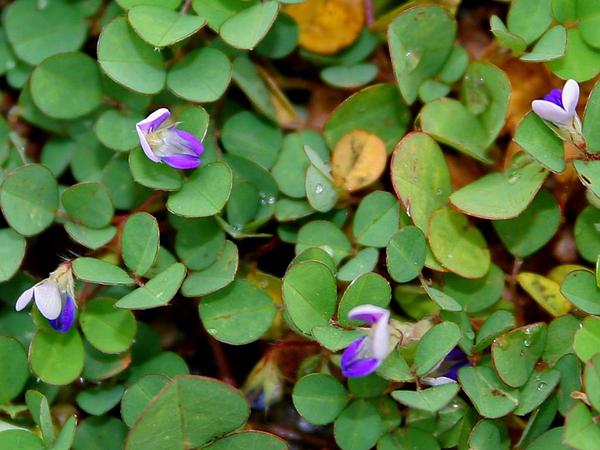
Tick Clover, Desmodium trifolum


Tick Clover barely makes it into our foraging realm.

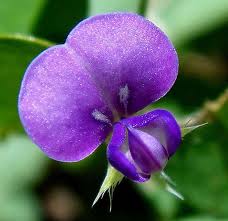
Tick Clover Flower

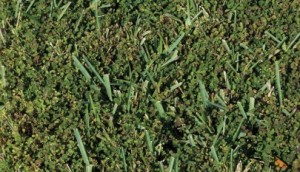
I have found only one reference to its edibility. In the 47th volume of the Journal of Economic Botany (1993) there is an article called “Ethnobiological Notes On The Khasi And Garo Tribes of Meghalaya, Northeast India.” The 16th entry on page 349 says of Desmodium triflorum* “Cooked preferably mixed with dry fish.” That should give you an idea regarding its flavor. Also called Three Flower Beggarweed, Creeping Tickfoil, Sagotia Beggarweed, and Threeflower, it’s a common weed locally found matting in lawns and parks. Tick Clover blooms in the warmer months and has blue or purplish-pink flowers. You usually find its seeds on your socks or pant legs. More on that in a moment. Some of the members of this genus have edible seeds. I don’t know if this one has edible seeds or not. When I get better health insurance I’ll find out. (*They misspelled the Latin name of the plant in the article using an extra “i” writing it triflorium rather than triflorum.)

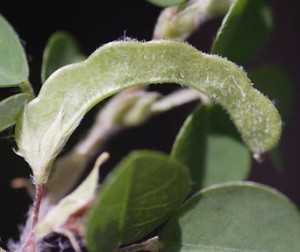
Young Tick Clover Pod

Available most of the year and drought resistant Tick Clover is found in Florida, Louisiana, Hawaii, the West Indies, Mexico, Central America, South America, Asia, Sri Lanka, Myanmar (Burma) Thailand, Malaysia, Indo-China, Pacific Islands, Africa and Australia. It’s essentially pantropical. According to the above article in India harvested in March and April.

Desmodium (dez-MOH-dee-um) comes from the Greek word desmos which means a bond or chain, a reference to its jointed fruit, that sticky green loment to the right. Triflorum(TRY-flor-um) refers to its blossom with three petals, some say refers to three blossoms per stem.

Tick Clover forms dense mats in lawns.

It has at least five other botanical names. Botany is not a settled science. It’s called Tick Clover not because of an insect but because it forms a thick mat and looks like clover. A similar thick cloth is called ticking. That  “tick” can be traced to tikke in Middle English, tijk in Dutch, theca in Dead Latin to the original Greek theke meaning a case. In modern Greek it is said Θήκη (THEE-kee) a box, case or receptacle. And for edification the insect called a tick gets its name from a different Greek word. It goes from tick to Middle English “teke” to low German “teke” to the Greek word “Zeche.”

The pea family is an interesting one with edible species and toxic species and not much rhyme or reason to that. Edible leaves in the family are usually high in protein — this one is 18%, according to Bermudez et al. 1968 — but low in taste, more a famine food than table fare. This is also why they are usually cooked and mixed with something else. Every morsel helps to fill an empty tummy. Incidentally, poultry really like Tick Clover, particularly baby chicks.

Bullfrog and Desmodium in China, photo by lz in the UK

This brings me to the nice Greek word zoochorous, which should be said zoe-oh-CHOR-us, which is having the spores or seeds dispersed by animals. Life and animals et cetera in Greek are zoe-OH, which got mangled through Dead Latin into the English word zoo. When seeds like the Tick Clover are carried on the fur it is called epizoochory. When carried inside for later deployment it is endozoochory. Now you know.

Green Deane’s “Itemized” Plant Profile: Tick Clover

IDENTIFICATION: Desmodium triflorum: A small prostrate legume with a woody taproot. Strongly branched stems covered with yellow-brown hairs. The plant can form roots at the nodes of the stem. Trifoliate leaves with heart-shaped leaflets to a 3/8 of  an inch long (10-12 mm.)  Pink to purple flowers. Pods flat, two to four rounded segments which are straight across the back when hooked together. They break easily and cling to clothes. It’s also much smaller than a common relative Creeping Beggarweed, Desmodium incanum, which also grows locally. D. incanum has much larger leaves, two inches long or more.

TIME OF YEAR: Available most of the year.

ENVIRONMENT: Pastures, truck farms, roadsides, lawns, open pinewoods. Very shade tolerant, frost intolerant. Found on a wide variety of soils.

METHOD OF PREPARATION: Leaves boiled. This a plant that has many medicinal applications as well.

HERB BLURB

This study evaluated the antioxidant and antiproliferative activities of the crude extract and fractions of Desmodium triflorum (L.) DC. The total phenolic content, 1,1-diphenyl-2- picrylhydrazyl hydrate (DPPH) free radical scavenging activity, trolox equivalent antioxidant capacity (TEAC), reducing power, total flavonoid content of D. triflorum were evaluated for the exploration of its antioxidant activities. Furthermore, its antiproliferative activities were investigated through the MTT method. It was compared with the antioxidant capacities of known antioxidants, including catechin, α-tocopherol, trolox and ascorbic acid. Among all fractions, ethyl acetate fraction was the most active in scavenging DPPH and TEAC radicals, of which 0.4 mg was equivalent to 186.6 ± 2.5 μg and 82.5 ± 2.1 μg of α-tocopherol and trolox respectively. The total phenolic and flavonoid contents of the crude extract were equivalent to 36.60 ± 0.1 mg catechin and 45.6 ± 0.6 mg rutin per gram respectively. In the reducing power assay, 1.25 mg of crude extract was similar to 61.2 ± 0.3 μg of ascorbic acid. For the assessment of the safety and toxicity of D. triflorum, LD50 of the crude extract was greater than 10 g/kg when administered to mice through gastric intubation. The above experimental data indicated that D. triflorum was a potent antioxidant medicinal plant, and such efficacy may be mainly attributed to its polyphenolic compounds.

{ 6 comments }