Turtles


Turtle soup with mushrooms and red peppers

The Shell Game: Eating Turtles

The evidence is clear: Man has been eating turtle for a long time. But which turtles and how?

While land turtles might be easier to catch you are safer off — gastronomically — with aquatic turtles. Land turtles eat mushrooms, and there is one case of suspected mushroom poisoning after eating a box turtle that had eaten mushrooms toxic to man (but not the land turtles.)  This can be solved by capturing the land turtle and feeding it for a while until any toxin might be gone. Just remember some land turtles are protected so don’t land in jail.

Cooter, note spots

Aquatic turtles do not eat mushrooms but they can often bite, and in the larger species, remove a finger or two, even after their head is severed. Some turtles, including one ocean going species with a hawk-like beak, have a poisonous sack in their neck or chest. These are the exceptions not the rule.

Whether oneth by land or twoeth by sea most turtles (and eggs) are edible. My great uncle, Arthur Blake, had a passion for turtle eggs. He also had a prodigious appetite, was always skinny, and very mean. That he was murdered over a keg of whiskey explains a lot. At least once he ate a dozen and a half turtle eggs at one sitting. The rest of the family found them … rubbery.  Among fresh water turtles look for eggs in warm sand banks.

Snapping Turtle

Almost the entire turtle is edible except the lungs, gall bladder, skeleton, skull and nails. The legs and tail are particularly esteemed, but remove the skin before eating.  What you might also want to do is take the fresh water turtle home live and put it in a wash tub with water. Change the water every day for three days which helps to clean the turtle’s system out.

Now, how to cook a turtle? As one might expect, and a point not lost on ancient man, the turtle comes inside his own cooking pot. After killing turtles can be placed directly on hot coals, bottom side down, and left until cooked. The turtle is done when the shells separate. The shell will also be brittle. However, that is primitive cooking yielding an edible meal but not the best possible taste.

Eastern Spiny, soft shell

While cooking methods vary most cultures have learned to follow one of two general procedures. Kill the turtle and drain of blood (which with some large turtles like snappers can take overnight.)  Drop it into boiling water for about 10 minutes, smaller than a plate less time, larger than a plate more time. Take it out, let it cool to the point you can handle it. Clean the outside, which will probably turn bright green. A lot of foul tasting stuff is on the outside of the turtle and the more you get rid of the better your turtle will eventually taste.  Now the methods vary. One way is to put it in new boiling water and cook until done (the feet will be tender.) Remove meat, eat.

Southern Painted Turtle

The second method does not do a second boil but goes instead directly to butchering. Once cleaned on the outside separate the top and bottom shells. The tail, neck and all four legs come with the top shell but there is still some other meat in the top and bottom shells. There are two little strips under the ribs of the top shell. Cut ribs to get them out. Remove the head (if still on) claws, the intestines, and gall bladder, the latter very carefully or a sour taste will pervade the meat. You now have several cuts of meat that can be cooked in a variety of ways.  Some of it is choice, some tough, and some fatty.  Opinions vary if you should removed any fat you see as it affects taste.  It’s a personal preference.  The meat then can be cooked like chicken though it does respond to slow and moist heat, particularly snapper. If you fry snapper it gets tough so soups and stews are best.  But if you want fried turtle it is best to cook it by boiling first, drying, spicing and then lightly browning it in the frying pan.

Chicken Turtle

As mentioned before, as reptiles turtles, especially snapping turtles, can be dangerous even after decapitation. You may also find the heart still beating in a parboiled turtle. They die hard. And while this is off the topic but related a headless, skinned, gutted venom snake can still wiggle and try to strike. This is not unique. My grandmother liked fresh eel but my mother hated to watch her cook it because the pieces would wiggle in the pan. Whenever I caught an eel as a kid, I had to cook it.

Alligator Turtle

Primitive cooking methods for turtle vary as well. Some will cook the turtle on its back until nearly done, flip it over, cut off the bottom half with the entrails and then eat the meat out of the inverted top shell, a meal in its own plate. Others, as above, put to bottom down and cook throughly then separate, picking out the meat. I think bottom down is best if cooked whole. The different approach depends whether you are a roughing it on the trail, shy on time, cooking for others, or flavor. I prefer viscera cooked below choice meat. Incidentally, that same turtle can be cooked whole in your kitchen oven as well. (Put a pan under it.)

In Australia the Aboriginals have their own way of cooking a huge turtle. First they decapitate it and remove the entrails from where the head was. Meanwhile they’ve made large fire. Then they fill the cavity with hot coals from the fire and put the turtle on top of the rest of the coals. When done they cut off the upper shell and enjoy.

Seven turtle recipes from the collection of Keith Patton

A turtle has about 4-5 different kinds of meat.  Some is tough and some is fatty like turkey dark meat.  I had turtle in the S. Pacific and have cooked it that way at home.  Simmer it in coconut milk, the kind in the can, not the water from the shell.  Season it with:

Two cups coconut milk

2 cloves of garlic, chopped

1 onion, sliced

1 ounce ground almonds

1 tablespoon ground coriander

3 tablespoons oil

1 teaspoon minced ginger

2 stems lemon grass, trimmed and fleshy part bruised

3 teaspoons lemon/lime juice (substituted from 3 lime leaves)

2 curry leaves (substituted from 2 bay leaves)

1 teaspoon sugar

Salt, to taste

Grind the garlic, onion, almonds and corainder to a fine paste. Heat the oil and fry the paste to bring out the flavor. Do not allow to brown. Add the turtle, ginger, lemon grass, lemon juice and curry leaves, salt, sugar and coconut milk, and bring to boil. Reduce the heat and simmer until tender without cover and the coconut sauce has reduced to desired consistency. Serve serve over rice.ou can add more sugar for a sweeter dish.

Here are a few more.  If the recipe calls for pounded meat, use a meat mallet and pound it to about 3/8 inch thick.

In the Cayman’s they serve a turtle dish where it is pounded and then sauteed in butter kind of like a weinerschnitzel then served with a sauce over it.  Some of the following recipes are cajun and the sauce will tend to overwhelm the delicate flavor of the turtle.  For the Eutoffee you can use one or two bags of the eutoffee mix you can get at the grocery store, or make your own which is basically onions browned in butter with flour.

 BAKED TURTLE

1 or 2 turtles (skinned, cut into serving pieces)

1 cup flour

1 tbsp. lemon pepper

1 tsp. black pepper

1 tsp. salt

1/4 cup bacon grease or shortening

Wash turtle pieces in cold water, drain. Mix flour, lemon pepper, salt and pepper together. In an iron skillet, heat bacon grease over medium heat. Dredge turtle pieces in flour mixture, lightly brown slowly on both sides. Remove from heat. Cover and bake in preheated 275 degree oven 2 1/2 to 3 hours or until tender.

 SNAPPING TURTLE IN A POT

1 to 2 lbs. turtle meat

1/4 cup dry sherry wine

2 tsp. minced onion

2 carrots, sliced

1/8 tsp. dried basil

Salt

2 cups water

2 celery stalks cut into pieces

8 small red skin potatoes, halved

Salt turtle meat well and place in your slow cooking pot. Add all other ingredients. Then cover and cook on low heat for 6 or 7 hours or until turtle meat is tender. Remove turtle meat and cut into bite size pieces. Return meat to slow cooking pot, cover, and continue to cook on lo heat for an additional 2 hours or until vegetables are done.

TURTLE ESTOGADO

2 lb. turtle fillet

1 cup potatoes, chopped

1 cup carrots, chopped

1/2 cup onions, chopped

1/2 cup green peas

1/2 cup green olives, sliced

1/4 cup oil

1/2 cup tomato sauce

1 cup dry white wine

2 cans beer

2 tbsp. lemon juice

1 clove garlic, minced

Salt & pepper

2 jalapenos, sliced for garnish

Beat fillets lightly to tenderness and grill to medium. Cut fillets in julienne strips. Sprinkle with lemon juice, garlic, salt and pepper. Place in casserole dish. Saute all vegetables separately in oil and add to turtle. Mix tomato sauce, wine and beer. Pour over casserole and bake covered for 45 minutes to 1 hour. At serving, garnish with jalapenos.

TURTLE ETOUFFEE

Oil

10 lb. turtle meat, cleaned

8 large onions, chopped well

3 bell peppers, chopped well

1 clove garlic, finely chopped

Juice of 1/2 lemon

1 cup fresh parsley

Salt and pepper

1 tbsp. Worcestershire sauce

Wash and drain turtle meat. Salt and pepper and brown in oil. Put in heavy pot and add all other ingredients. Cook on low heat from 6 to 8 hours until meat is tender.  Note: The only juice in this recipe is the natural juice of the vegetable ingredients – do not add water, wine, or any other juice.

TURTLE SAUCE PIQUANT

5-6 lb. turtle meat

1/2 cup flour

3 medium onions, chopped

2 stalks celery, chopped

2 medium bell pepper, chopped

4 tbsp. Kitchen bouquet

1 cup green onions, chopped

4 cup tomatoes, stewed, crushed or whole

1 large can mushrooms, optional

1/2 cup oil

Seasoning, creole or cajun

4 cloves garlic

Cut turtle in small pieces and season. Brown in cooking oil. (Most meat especially turtle gives up a lot of water. Cook until all water is gone and turtle is brown.) Set meat aside. To oil and drippings add flour and make roux. (Not too dark.) To roux add onions both yellow and green, celery, bell pepper and garlic. Cook until wilted. Add turtle, mushrooms, Kitchen Bouquet, tomatoes and bring to low boil. Then simmer for 2-2 1/2 hours or until turtle is tender. Stir occasionally to prevent sticking.

 BATTER FRIED TURTLE

Soak turtle meat in cold salt water about an hour. Drain, add fresh water to cover and add 1/2 teaspoon soda. Simmer until nearly done (or pressure cook 20 minutes at 10 pounds with salt water, not soda). Remove from juice and wash in cool water, debone it and set aside. Make a thin batter of 1 1/2 cup pancake mix, 1/4 teaspoon garlic powder, 1/4 teaspoon onion powder, and water. Coat pieces of meat in batter and deep fry until golden brown. Drain on paper towel. Handle with tongs and meat does not come loose from batter.

April’s Turtle Soup

Thanks to April Barkulis for the recipe.

~ 2 lb’s turtle meat, cubed

~ 2 sticks unsalted butter

~ 1 cup all purpose flour

~ 1 cup diced celery

~ 2 cups diced yellow onions

~ 1 1/2 cups tomato puree

~ 1 quart beef stock

~ 6 hard boiled eggs, chopped fine

~ juice of one lemon

~ 3 bay leaves

~ 1/2 tsp oregano

~ 1/2 tsp thyme

~ 1 tsp black pepper

~ 3 tbsp minced parsley

~ salt and pepper to taste

In a heavy saucepan melt the butter. When melted, add the flour and cook until the flour turns the color of a penny. This roux must be stirred at all times so it will not burn. When roux reaches the desired color add the celery, onion and turtle meat. Cook until turtle is brown and vegetables are clear. Add the tomato puree and simmer for 15 minutes.

In a stock pot, heat the beef stock to a boil. When stock is boiling, add the mixture from your saucepan and stir until soup is mixed and roux is dissolved. Stock should be smooth and have body. Simmer soup until turtle becomes tender. Add the lemon juice, diced eggs and parsley. Stir together.

 Baked Turtle

Thanks to R. Moore from Michigan for this recipe.

~ 1 turtle, cut into serving pieces, bone in okay

~ 1 carrot, chopped

~ 1 onion, chopped

~ 1 rib celery, chopped

~ flour

~ salt

~ pepper

~ garlic powder

~ 2-3 eggs

~ cracker crumbs, make your own from saltine crackers

~ butter, enough for browning

Place the meat, onion, carrot and celery in a large pot. Add enough water to cover. Cover pot and bring to a boil. Reduce heat and simmer for 30 minutes. Let set in juices to cool. When cool, drain and discard everything but meat.

In a shallow dish, beat the eggs. Season the flour to taste with salt, pepper and garlic powder or use your favorite seasoning. Roll the meat in the flour. Dip in the eggs and then roll in the cracker crumbs. Melt the butter in a large skillet. Brown the meat on all sides. Place meat in baking dish. Cover and bake at 325F for 30 – 40 minutes.

Dano’s Turtle Tips and Mushrooms

Many thanks to Dano Williams for the recipe.

~ 1 – 2 lbs turtle meat

~ whole milk

~ 1 – 2 sticks butter

~ 1 cup chopped onion

~ ½ cup chopped red bell pepper

~ 1 lb sliced or whole fresh mushrooms

Soak meat in salt water overnight. Drain. Soak the meat in milk for 3 hours. Drain. In a dutch oven or large pot, melt ½ stick of butter. Add the onion, bell pepper, mushrooms and meat. Simmer over medium low heat adding more butter as it cooks down. Continue to simmer until done stirring occasionally.

 Southern Twice Fried Turtle

Our thanks to Bruce R. for sending this recipe.

~ 1 medium sized soft shell turtle, cut into serving size pieces

~ 2 cups flour

~ 1 tbsp black pepper

~ 1 tsp salt

~ 1 tsp garlic salt

~ 1 tsp onion powder

~ 1 tsp paprika

~ oil

In a large bowl, combine all of the dry ingredients. Fill a large cast iron skillet half full of oil. Heat to 325F. Coat the turtle pieces in the flour mixture and place in the hot oil. Once turtle is browned, reduce heat to medium. After the oil has cooled to a slow fry, remove skillet from heat and add 1 cup of water. BE CAREFUL!!! Remember to remove the skillet from the stove in case of boil over. Remember oil and water don’t like to mix. USE CAUTION! Return the skillet to the stove. Cover and cook until all of the water has cooked out. Uncover and fry turtle until it starts to get crispy. Remove and drain. Serve with your favorite side dishes such as gravy, grits and biscuits.

 Turtle Soup I

Our thanks to Jason Hunter from Texas for adapting a Paul Prud’homme recipe.

~ 3 lb’s boneless turtle meat

~ 5 bay leaves

~ 1 tbsp salt

~ 2 tsp white pepper

~ 1 3/4 tsp garlic powder

~ 1 3/4 tsp ground red pepper

~ 1 1/2 tsp onion powder

~ 1 1/2 tsp ground thyme

~ 1 tsp dry mustard

~ 1 tsp black pepper

~ 1 tsp dried basil

~ 1/2 tsp cumin

~ 4 tbsp unsalted butter

~ 4 tbsp margarine

~ 1/2 lb finely chopped spinach

~ 2 cup finely chopped onion

~ 1 cup finely chopped celery

~ 3 1/2 cup tomato sauce

~ 2/3 cup flour

~ 1 tsp minced garlic

~ 11 cups broth (preferably from turtle bones) or chicken broth

~ 1 cup lightly packed fresh parsley

~ 1/4 seeded lemon

~ 2 hard boiled eggs, cut in quarters

~ 1/3 cup sherry

Combine the bay leaves, salt, white pepper, garlic powder, red pepper, onion powder, thyme, mustard, black pepper, basil, and cumin together. Set aside.

Chop the turtle meat into bit size pieces. In a large dutch oven, melt the butter and margarine over medium heat. Add the meat and cook for 5 minutes. Add the seasoning, spinach, onion and celery. Cook for 15 minutes. Add the tomato sauce and cook 15 minutes. Add flour and garlic. Stir. Add 9 cups of broth and cook for 1 hour. Chop the eggs, parsley and lemon together. Add to the soup along with the last 2 cups of broth and the sherry. Cook 10 more minutes.

 Turtle Soup II

Thanks to Jo Hampton for this recipe.

~ 1 lb turtle meat, diced

~ 3 tbsp chicken fat or butter

~ 1 1/2 quarts strained chicken broth

~ salt and pepper

~ 1 medium onion, chopped

~ 1 tbsp chopped parsley

~ 5 – 6 thin slices lemon

Prepare a richly flavored chicken broth seasoned only with salt. Set aside. In a skillet, melt the chicken fat or butter. Add the meat. Season to taste with salt and pepper. Add the onion and saute over medium heat until onion is soft. Add the meat/onion mixture and any fat to the chicken broth and heat to a boil. Reduce heat and simmer for 10 minutes. Dip servings into bowls and sprinkle with parsley. Top with a paper thin slice of lemon.

Whitey’s Turtle

Many thanks to Jeanne Smith for sending this recipe.

~ turtle meat

~ your favorite seasonings, seasoning salt, pepper, garlic powder, etc

~ flour

~ chopped onion, optional

~ minced garlic, optional

~ oil

Season the meat to taste with your favorite seasonings and then roll in flour. Heat a little oil in a large skillet. Add the onion and garlic if desired. Add the meat and brown on all sides. Remove. Place the meat in a baking dish. Add about a 1/4″ of water. Cover and cook at 300F for 3 hours. Add water as needed.

Green Turtle Soup I

*  1 ten pound turtle, already prepared for cooking

* 4 qts. cold water

* 1 tablespoon salt

* 1/3 cup butter

* 4 tablespoons flour

* 1 cup Madeira wine

* 10 whole cloves

* ½ teaspoon peppercorns

* 2 bay leaves,½ bunch herbs

* 2 onions

* 2 tablespoons parsley, minced

* 8 hard boiled eggs

1. Place the upper and lower shell in a large kettle with 4 quarts of cold water, simmer gently until bones fall apart.

2. Put into soup kettle the head, fins, liver, heart, and all the meat; add all the seasonings, cover with liquor in which the           shells were boiled and simmer until meat is thoroughly done; strain the mixture through a fine sieve.

3. Melt the butter and brown the finely chopped onion in it. Add the flour and cook together until brown.

4. Add a pint of the soup, a little at a time, and cook until smooth. Combine with rest of the soup.

5. Add the cut meat, the hard boiled eggs chopped fine, and lastly the wine.

Green Turtle Soup II

* One turtle,

* two onions,

* a bunch of sweet herbs,

* juice of one lemon,

* five quarts of water,

* a glass of Madeira.

After removing the entrails, cut up the coarser parts of the turtle meat and bones. Add four quarts of water, and stew four hours with the herbs, onions, pepper and salt. Stew very slowly, do not let it cease boiling during this time. At the end of four hours strain the soup, and add the finer parts of the turtle and the green fat, which has been simmered one hour in two quarts of water. Thicken with brown flour; return to the soup-pot, and simmer mildly for an hour longer. If there are eggs in the turtle, boil them in a separate vessel for four hours, and throw into the soup before taking up. If not, put in force meat balls; then the juice of the lemon, and the wine; beat up at once and pour out.

Some cooks add the finer meat before straining, boiling all together five hours; then strain, thicken and put in the green fat, sliced into lumps an inch long. This makes a handsomer soup than if the meat is left in.

Force Meat Balls for the Above: Six tablespoonfuls of turtle meat chopped very fine. Rub to a paste, with the yolk of two hard-boiled eggs, a tablespoonful of butter, and, if convenient, a small amount of oyster liquor. Season with cayenne, mace, ½ a teaspoonful of white sugar and a pinch of salt. Bind all with a well-beaten egg; shape into small balls; dip in egg, then powdered cracker; fry in butter, and drop into the soup when it is served.

 Chinese Stewed Turtle

live soft-shelled turtle about 2 lb. (1 kg)

1/2 tsp. garlic , chopped

1 lb. (500g) boned chicken

5 whole Sichuan peppercorns

3 1/2 oz (100ml) vegetable oil or lard

3 1/2 tbsp soy sauce

1/2 tsp. scallions, chopped

4 cups (1 litre ) clear stock

1/2 tsp. fresh ginger, chopped

2 tsp. rice wine

Cut off the turtle’s head and drain off all the blood. Place in a pot of cold water to cover and bring to a boil. Remove the turtle and scrape off the black skin. Remove upper shell and gut. Chop off the claws. Wash the turtle well and chop into 3/4 inch (2cm ) squares. Chop the chicken into 3/4 inch (2cm ) pieces and blanch briefly in boiling water for 2 minutes.

2. Heat oil or lard in wok over high heat to about 350F (175C), or until a piece of scallion or ginger sizzles and moves around quickly when dropped into the oil. Add the scallions, ginger, garlic, and peppercorns, and stir-fry until fragrant. Add the turtle, chicken, and soy sauce, and stir-fry for 3 minutes. Add the stock, and simmer over low heat for 1 1/2 hours. Then turn the heat to high and bring to a full boil. Skim off the foam and add the rice wine. Remove and serve.

Note: This fish features tender and succulent meat in a subtly-flavored clear soup.

 Greek Turtle Soup

1 1/4 sticks unsalted butter

3/4 cup all-purpose flour

1 pound turtle meat, medium dice

1 cup each minced celery, white onion, green bell pepper

1 1/2 teaspoon garlic, minced

3 bay leaves

1 teaspoon oregano

1 teaspoon thyme

1 cup tomato puree

1 tablespoon hot sauce

2 tablespoons Worcestershire sauce

1/2 teaspoon black pepper

2 quarts beef stock

1 lemon, juiced

4 eggs, hard cooked and finely chopped

4 tablespoons spinach, chopped

4 tablespoons dry sherry

Melt one stick of butter in a heavy saucepan. Add flour and cook, stirring frequently, over medium heat until the roux is a light brown. Set aside. In a 10 quart saucepan, melt remaining butter and add turtle meat, veal and beef. Cook over high heat until meat is brown. Add celery, onions, garlic, bay leaves and oregano and cook until vegetables are transparent.

Add tomato puree, hot sauce, Worcestershire and black pepper and simmer for 10 minutes. Add stock and simmer for 30 minutes. Add roux and cook over low heat, stirring until soup is smooth and thickened. Correct seasoning with salt and pepper to taste. Add lemon, eggs, spinach and sherry. Remove from heat and serve. If desired, at the table add one teaspoon of sherry to each soup plate.

 Louisiana Turtle Soup

2 Pounds of Turtle Meat (cubed)

3 Bay leaves

2 Sticks Butter (unsalted)

1/2 Tsp. Oregano

1 Cup All Purpose Flour

1/2 Tsp. Thyme

1 Cup Celery (diced)

1 Tsp. Course Black Pepper

2 Cups Yellow Onions (diced)

1 1/2 Cups Tomato Puree

Juice of One Lemon

6 Hard Boiled Eggs (chopped fine)

Salt and Pepper to Taste

Sherry

In heavy saucepan melt butter. When melted add flour and cook until the flour turns the color of a penny. This roux must be stirred at all times so it will not burn. When roux reaches the desired color add your vegetables and turtle meat and cook until turtle is brown and vegetables are clear. Add the tomato puree and cook for about 15 minutes on low fire. In stock pot simmer beef stock. While boiling add the mixture from your saucepan and stir until soup is mixed and roux is dissolved. Stock should be smooth and have body. Simmer soup until turtle becomes tender at which time you may add your lemon diced eggs and parsley. Each plate should be served with a shot of sherry on the side.


{ 7 comments }

Rock Spring Run in winter

Canoes are the best way for you to sneak up on deer, unless of course you’re the kind of canoeist who uses the paddle and canoe like a drum set.

On a recent Sunday, I had barely turned up Rock Springs Run from the Wekiva River when four fat does spied me. They hesitated as they always do with a canoe, then ran into the brush, only to turn around and ford right in front of me. No, I did not get my camera out in time, but I have an excuse: I was actually in a skinny kayak, not my luxury liner canoe. Sudden moves in a kayak are wet moves. There will be another time. Farther upstream, I saw a doe and a near-independent fawn, both plump, as they should be, dining in on Cat O’ Nine tails.

It is said that if a lost person has found cattails, they have four of the five things they need to survive: Water, food, shelter and a source of fuel for heat—the dry old stalks. The one item missing is companionship. As a life-long bachelor and pseudo-hermit I am not sure about that. Seeing the deer reminds me the rivers of Florida were sources of food for Indians for thousands of years.

Surprisingly perhaps, all creatures living in Florida’s streams are edible, this includes snails, bivalves, fish, turtles, snakes, alligators and the like. They do have to be cooked, however, and many of them aren’t too tasty, especially the sails and bivalves. They are not Southern Escargot. They harbor bad bacteria and must be cooked. Even little lakes are full of “fresh water clams” in the mud, just off shore. But you absolutely must cook them, and make sure the lake water is wholesome.  As for alligator, no matter how they cook it, it always has a swampy taste. It would be a good survival food but it does remind me of a minor incident in 2004 or so.

I was canoeing in the same area with a friend, Joe Guida. We were floating through a very narrow area during seasonal low water, about seven feet wide and five deep. We startled a sunning alligator on the bank that nearly jumped in the 18-foot canoe with us. Joe’s version of the events are a bit more dramatic but then again he and the alligator were on the same end of the canoe. I was about 20 feet away….

If I may digress even further a moment… I used to do a lot of hook and line fishing. In recent years I have switched to castnets almost exclusively but way back in the 70s I was bass fishing in a lot of Florida’s one-acre lakes. One day while fishing a “lake” no bigger than a baseball field I got a good tug on my line. I was using a plastic purple worm. I pulled, it pulled. I pulled more, it pulled more then stopped. I started to reel it in, which is actually a matter of prospective because the alligator on the other end was now swimming towards me. It was about five feet long and it did not seem pleased… That I can relate this stories attests to how fast I can run….

The number of edible plants along the run and river is numerous… pickerel weed, water hyacinths, wapato, lemon bacopa, spatter dock, oaks … But for the record I also saw non-edible wild begonias, vining milk weed, asters, several lilies and water hemlock, definitely not an edible. It was a hemlock species, read a close relative, that was used to knock off Socrates.

The hemlock —not related to the hemlock tree — grows in many wet spots in central Florida and can kill you in less than 15 minutes, certainly within an hour. The last death of said on record was a park ranger who mistook its roots for wild parsnip. He reportedly said, before the symptoms hit, that it was quite tasty.  The state of Florida says in an official publication that the hemlock (Cicuta maculata et al)  is the source of a lot of accidental “poisonings and death.” I would guess intentional poisonings and deaths would be called attempted murder and murder. A mouthful is a fatal dose, and the demise is not as gentle as Socrates’ was. It induces extremely violent symptoms which are “practically impossible to administer.” I have often joked that if any acquaintances of mine die from a plant poisoning my door is the first one the police will knock on. The practical truth is you can’t know which plants are edible without knowing which ones are poisonous.

When I missed the photo opt with the deer, I was kayaking up a stream I have canoed virtually dozens of times. I know the log-strewn stream, its bends, its stopping places, a little strip of pseudo rapids, and its plants and animals. It was the kayak that was the new element. Canoes and kayaks are as different as cars and planes. One rides on a canoe, but one wears a kayak.

If man plans his paddling trip well, all he needs is a little salt and pepper and a rod or net, catching  and foraging for his needs along the way, just as everyone’s ancestor did not long ago. Most of the people in everyone’s family, save for the last 100 years, foraged for food most of the time, even when they grew some. There is also evidence that hunters and gathers were healthier than herders and growers.

If the civilized world were to end tomorrow and the survivors had to fend for food, the best advice is “get thee near water.”  Life grows in and about water, be it fresh or salt. Water is where the food is. The two streams I was on have been a source of food for Indians for thousands of years.

Rock Spring Run is fed by a 14-million-gallons-a-day spring that fire hoses out of the side of a small cliff, if 12 feet can be a cliff. That is 441 gallons a second, 38 million a day, and 14 billion a year.  The 72-degree water actually shoots horizontally out of a limestone grotto. Nowadays the grotto is barred like a jail – above and below water – and swimming is no longer allowed at the spring or basin. Years ago one could snorkel into the grotto, against the powerful current, and look for sharks teeth (all of Florida was once under ocean.)  I can remember doing just that many holidays more than twenty years ago when the park was closed and I was young, foolish, and in much better shape.

The runs joins the Wekiva River eight miles down stream near a second spring, called Wekiwa Springs.  Wekiva is Seminole for flowing water, and Wekiwa — with a ‘W’ — their word for bubbling water. Wekiwa Spring produces some 509 gallons a minute, 44 million a day, 16 billion a year. Combined at nearly 1,000 gallon a minute, 30 billion gallons a year, these springs create the run and the river. The water from both of these springs is called “young” which means the water flowing out today was rain 42 years ago, as opposed to hundreds of years ago or more.  Further, the rain fell much farther north, all the way up into Georgia.

There are several such springs in the area of smaller size and occasionally one will even see a blind, white crayfish floating up from the rocky deep. I even have some pictures of one.  They are edible I imagine, but it just doesn’t seem right, eating a blind, albino crayfish.

The Wekiva River flows north to the St. Johns River, and that flows north through the middle of the state exiting to the ocean at Jacksonville. The St. Johns is the only river in North American that flows north most of its length, and only the second one in the world to do so, after the Nile.

As for the deer, I now own my second waterproof camera. Let the kayak rock and roll. As for my first waterproof camera…. Maybe I will tell you some day what happened to it on Christmas Day, 2000.

ROCK SPRINGS RUN AND THE WEKIVA RIVER

{ 0 comments }

Seminole Wekiva Trail

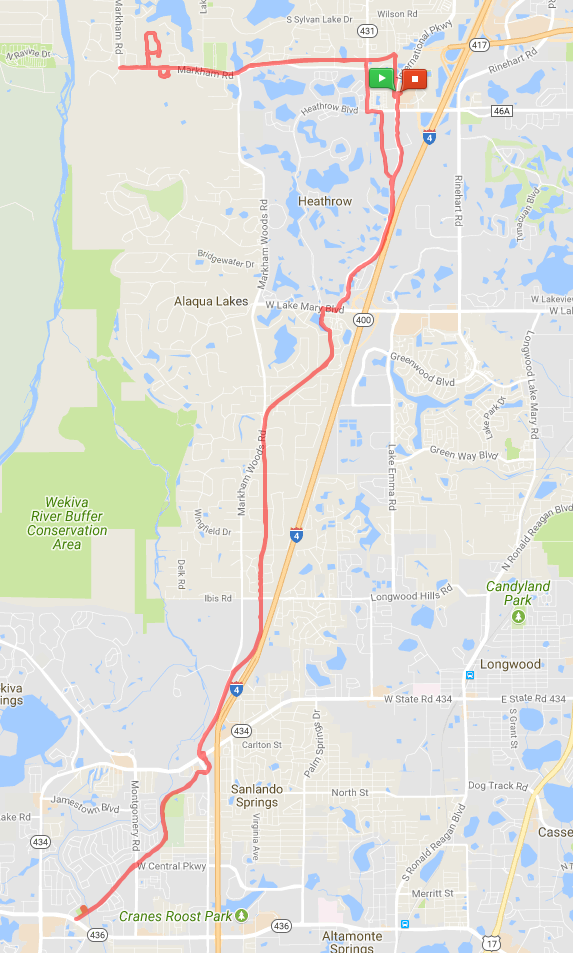
The Seminole-Wekiva Trail in 2018 (as seen from a bicycle GPS.)

Seven-Mile Appetizer

Editor’s note: Since the article was written the trail is now twice as long.

The squirrels are in hog heaven, if you’ll pardon the menagerie metaphor.
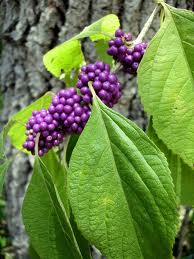
Beautyberry

It’s Thanksgiving, 2007 in central Florida and I am starting a bike trip along a reclaimed railroad bed. The Beautyberry (Callicarpa americana) has gone from a summer wallflower to a fall blooming idiot. Also known as the French Mulberry, it is in full fruit hoping to ensure another generation of Beautyberries.  The shrub, with fruit clustered along the stem, is extremely popular with squirrels, who will ignore people to get to the berries. Read more about the Beauty Berry and the great jelly it makes by clicking here.
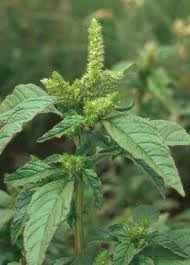
Amaranth

I’m traveling from Altamonte Springs to Lake Mary, and back, a little over 15 miles. At a road crossing where I have to stop for a traffic light — an underground passage was to be finished in 2005 —  I see a few scraggly Amaranth (Amaranthus hybridus.) Like its close cousin, the Spiny Amaranth, it’s a very local opportunist, rarely more than a plant or two here and there. In decades of collecting wild edibles in Florida I’ve never seen enough amaranth in one place to make a good meal (except in my garden.)  Even more rare is its distant and tasty cousin, Lamb’s Quarters or Pig Weed (Chenopodium album.) It’s hard to find here in central Florida except for isolated populations usually in poorly attended orange groves.

My first introduction to “Pig Weed” as an edible came in 1960. My parents had built a house the year before and as was common the next spring they threw hay chaff on the ground to start a lawn. That summer only two kinds of plants grew on the lawn: Wild mustard — see a later article on that — and Pig Weed.  A neighbor, Bill Gowen, who was also quite an amazing vegetable gardener, was visiting one day and saw the six-foot high Pig Weed and asked if he could have some. Getting a yes, he pulled out a half a dozen plants taller than himself and carried them home for supper.  He was absolutely full of joy
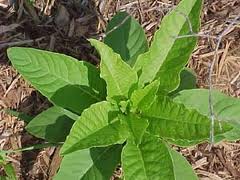
Pokeweed

over what he was about to eat, and with good reason. Only the Pokeweed (Phytolacca americana) comes close to Lamb’s Quarters in flavor. For many years I was fortunate in that a field near me in Maitland, Fl., grew Lamb’s Quarters profusely, though smaller than in temperate climes. But, that field is now a housing development and not one Lamb’s Quarters seed, save for my garden, seems to have survived. That cannot be said of its more malodorous cousin, Mexican Tea (Chenopodium ambrosioides, sometimes referred to as Chenopodium anthelminticum though now is has been changed by some to Teloxys ambrosiodes.  In this case, the word “tea” is used to mean an infusion, not a pleasant drink. Chenopodium ambrodsiodes, by the way, means ‘Goose Foot Food of the Gods.’ That should give you some idea.
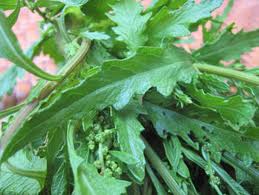
Epazote

Unmistakably smelling of varnish, the cultivated version is a common spice in Mexican cooking called Epazote, which in Nahuatl, the Aztec language, means skunk sweat or skunk dirt. It is well-named. One does not need to cultivate Epazote in Florida. It grows quite happily everywhere and all along the trail I am biking, especially near Lake Mary. It is one plant I don’t stop to look at, or rub unless I want to smell like a cleaned paint brush. I might have a different view of Epazote if I had tried it cooked sometime. But, I also don’t have internal worms, another use for the “tea.” And I really don’t want to find out if the line between spice and worm killer is thin.
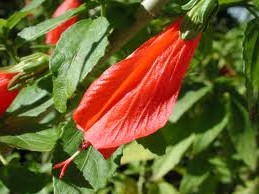
Turks Cap

On my over-sized road bike I puff past many plants that are not high on the food chain for humans but edible in one fashion or another: Huge Camphor trees, relatives of the cinnamon; Pines, their needles make a Vitamin C rich tea and the inner bark edible; the aforementioned Pokeweed, red and rank this time of year but delicious in the spring when prepared correctly, deadly when not; Reindeer Moss, a true survival food; escaped Honeysuckle and Turks Caps; various cactus with edible pads and flower buds;  Bull Brier, a Smilax with berries that can be chewed like gum when green. The root of its cousin made the original Sarsaparilla. Ubiquitous on the trail  and very weedy, is Bidens alba.
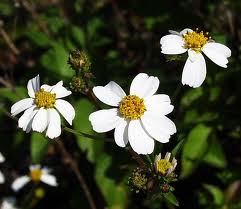
Begger’s Ticks, Spanish Needles

Known as Beggars’ Ticks and  “Spanish Needles” for its two-tooth seeds, Bidens is the third largest source of honey nectar in Florida. All honey from Florida is part Bidens Alba.  The flowers and cooked young leaves and plants are edible. It has all kinds of medicinal applications from gout to urinary infections. Near the Bidens are some sandspurs though the correct term is sandburs, (Cenchrus echinatus.)  I burn off their spines and parch them at the same time. Tasty.
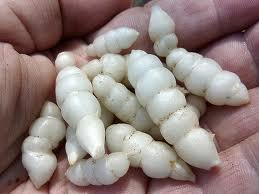
Florida Betony

About half way between Altamonte Springs and Lake Mary I pass a lawn that is too close to the trail and spy a bed of plants that would make Florida gourmets grab a shovel if they knew what was there: Florida Betony (Stachys Floridana). Its cousin, Stachys Affinis, is called Crosnes or Chinese Artichokes and a few other names. They are described as very expensive and called hard-to-find. Betony is the bane of most Florida lawns.
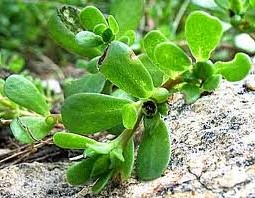
Purslane

Also in nearby lawns as I pedal by I see two other edibles, one very esteemed and the other rarely known on this side of the world. First is purslane (Portulaca oleracea). In fact, its very name, oleracea, means cultivated and it has been for thousands of years. Invading the lawns along with the purslane is Pennywort, sometimes the native Hydocotyle bonariensis and sometimes its imported cousin, Centella asiatica, both quite edible. The Pennywort likes its feet wet and one usually finds it around lawn sprinklers or where water puddles on lawns.

This year Thanksgiving in Florida is a warm, pleasant day and I brake to read the historic markers.  The trail I’m on, The Seminole Wekiva Trail, built on the former Orange Belt Railway, was at one time the longest railroad in the United States. It was started in 1885, about the same time both my grandfathers were born. In 1893 — the decade of my grandmothers —
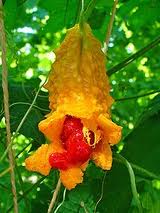
Bitter Gourd

it became the Sanford – St. Petersburg railroad then became part of the Atlantic Coast Railroad line and finally merged in 1967 into the current Seaboard Coast Line Railroad. It cut across the state higher up than the current east-west interstate then went down Florida’s west coast, with one of the stops in the Greek community of Tarpon Springs, where I got my Purslane. Many important communities along the railroad a century ago and worthy of a station are gone, only noted by the cast iron tombstones: An inn stood over there; winter visitors went to a spring-fed spar across the road; a freeze ended a citrus community here the night of 29 Dec 1894. Occasionally an area is fenced off, and on many of those fences are ripening Balsam Pears (.) They are edible when young and are one of the few wild edibles I see people picking. 
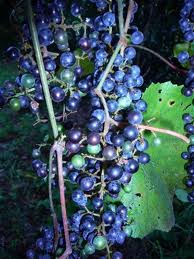
Wild Grapes

As I pedal through Longwood — President Calvin Coolidge stopped here in 1929 to visit the “Senator” the largest Cypress tree in the country, now burned down —   I notice the grapes are way past season save for some stragglers. The grapes were not prolific this year, but in 2006 they were abundant. There are at least three or four  kinds of ‘wild’ grapes in Florida, two native and two or so escaped and semi-naturalized cultivars. It is easy to tell their ancestry: If the vine’s tendril has one tip, it is native; if the tendril is forked  it’s an escape artist (although future botanists might those designations.) Along here most of the grapes are Vitis shuttleworthii and Vitis munsoniana.  However, at one point overhanging the trail there are some abandoned 1930-era red and white hybrids. Larger and sweeter, they make the trip pleasant. I can just reach a last few from my bike as I go by.

Florida  — as of this writing and perhaps for sometime to come   — cannot grow wines like California or France because of Pierce’s Disease. The disease kills non-native grapes within a decade of planting by essentially clogging their veins and making them wither. So far its been lethal to over 300 varieties of grape. Only common varieties that have been crossed with native grapes can survive, which the state did in the early 1900s. Since the native grapes are very fruity, hybrid Florida wine, like New York State wine, is a differentiated product, a fancy way of saying it has its own muscadine flavor. If Pierce’s Disease can be conquered — they’re working on it — the South could become a major grape-growing region of well-known varietals.
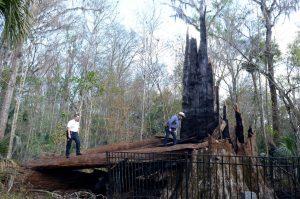
3,500 year old tree destroyed by a match.

As I enjoy my grapes and pedal along I think about the “Senator.” A core ring count said it was some 3,000 years old. When it was 600 years old Socrates was arguing against democracy — why he was later executed — and Plato was a bright kid with a large derriere (didn’t you ever wonder what “Plato” means in the original Greek?)  By the time the Senator celebrated its 1,500th birthday, King Arthur was becoming a legend in his own mind. I wonder how many hurricanes has that king of cypresses endured in 3,500 years, and which one blew its top off with the help of lightning now and then. (Editor’s note: An addict climbed over the security fence January 16, 2012, then lit a fire inside the trunk so she could see what drugs she wanted to use. The resulting fire burned down the tree. A clone has replaced it.)
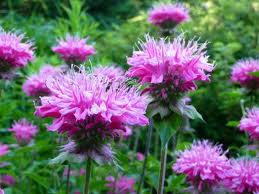
Monarda punctata, Bee balm

Not far from the grapes, before a long grade that challenges my low-carb knees, grows Spotted Horsemint, also known as Spotted Beebalm (Monarda punctata.) Frankly, given its name and appearance I think they missed a linguistic opportunity. They should have called it Pinto Mint.  It can be found near the trail for about two miles. It’s a plant one doesn’t notice until fall when it gets pink and white showy. Last year on private property near the old line, I dug up one small bush of it and successfully transplanted it into my small yard. It’s pretty and makes a nice tea. The bees are happy, too.

Common along the trail are Live Oaks, (Quercus virginiana) which are according heavily, if one can conjure such a verb.  In the white oak family, Live Oaks have the least amount of tannin in their acorns. But, it also varies from tree to tree. One can often find a Live Oak with acorns that are edible without leeching, a convenient and time saving arrangement. Acorn meal  — free of tannins or otherwise leeched of them — has many uses in the kitchen not the least in making bread.
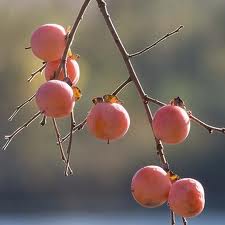
Wild Persimmons

Less common along the bike path are native Persimmons (Diospyros virginiana) which means Fruit of the Gods. They are usually small trees that like to grow on edges of fields and roads, and fortunately, old railroad beds. I counted no less than eight Persimmon trees, several with fruit. There is very little to not like about the Persimmon, which is actually a North American ebony. The fruit is edible and can be used in any way banana is used, one for one. The fruit skin can be used to make a fruit “leather.” The seeds can be roasted, ground, and used to stretch coffee. The leaves make a tea rich in vitamin C, though the taste is bland if not “green.” And the wood can be worked.

On the shy side, the native Persimmon can be small and very astringent. There are many rules of thumb about how and when they can be picked for ripeness and non-astringency. In my experience, the best persimmons are the ones you have to fight the ants for.
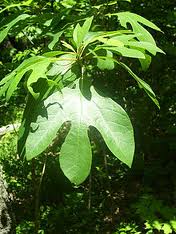
Sassafras

On my return leg I stop half way and watch a place that has, of all things for suburbia, a few milking goats (If you must know, Capra hircus.)  Of Greek heritage and a farm boy,  I like goats and have often fed them some grass that’s just out of reach through the fence. In fact, while feeding them one day I saw a Sassafras rootling (Sassafras albidum) looking for a new home. The transplant was successful and I am probably the only homeowner in Florida with an intentional Sassafras tree in my front yard. It makes me feel special. I also have a  Zanthoxylum clava-herculis rescued more than a decade ago from a bull dozer in Daytona Beach. Should I have a tooth ache it will come in handy because its leaves have a natural novacaine.  Between the Sassafras and the Hercules Club my yard has to be a rarity.

As I near where I started I cross a small brook that eventually ends up in the Atlantic at Jacksonville. A plant growing in it reminds me books can be very wrong on edibility. I know that from personal experience. Some 20 years ago I thoroughly research a particular aquatic plant here in central Florida and found several authoritative references to it being edible. While preparing it for cooking my hands began to burn severely. Only washing with Naphtha Soap stopped the burning (every forager should carry Naphtha Soap with him.) 

Since this is my inaugural article* following entries will be shorter, I promise. Oh, and for Thanksgiving, I cooked a duck and had homemade elderberry wine. 

* This first newsletter  was written on Thanksgiving Day 2007. As of this editing — November 2018 — there have been some 1000 articles and 331  newsletters, first monthly then weekly.

{ 6 comments }


Spurge Nettle

2011″ Cnidoscolus stimulosis:   Can the leaves be boiled and eaten like other species in the genus? I personally know of two account of folks who mistook the C. stimulosis for a common nettle, either juiced it and drank it raw, or cooked it and ate  it raw. Amounts were not conveyed. It may be a possible green and raw food source. Also, is the root of the C. texanus edible and are the seeds of the C. stimulosis edible?

Aquatic Taro

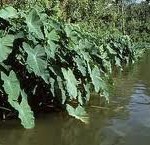
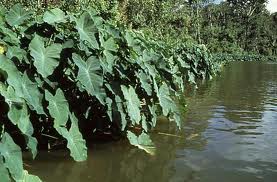
The common taro invading Florida’s Florida’s waterways is an aquatic variety that does not set roots of any size but its stolons might be pickable and its greenery boiled and maybe made edible. There are reports of said in Vietnam. Up date 2022 I dgr up a smallcorm. it was pepper raw After roast ing an hour at 350F.  It was still peppery/ 

Rosary Pea

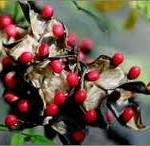
The deadly rosary pea may be edible if heated above 45º C, or boiled for 45 minutes to an hour.

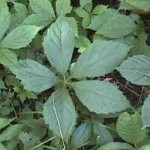
The Dioscorea alta may have only single leaves when young and then later develops opposite leaves.

Albizia julibrissin

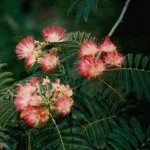
Are the seeds of the Albizia julibrissin edible? I received an email from someone who said his grandmother used to serve them. He wrote in part: I have very fond memories of this tree, it’s flowers, leaves, and especially it’s seeds. My grandmother had several of these trees in her yard and I would harvest baskets and baskets of the seedpods whenever I was staying with her. I remember sitting with her in the evenings peeling open pod after pod scraping and collecting the seeds as we went. She would warm me up a flower tortillas place maybe half a cup of seeds on the tortilla, squeeze lemon, and dash salt over them roll it all up and hand it over to me. She called them “Waches” though (In Spanish). The only Ill effect that I ever noticed from eating the seeds was that it gave me really bad breath. I don’t think I have ever seen the seeds for sale in any modern grocery store but, I have seen them being sold in local markets (especially in Mexican neighborhoods.) But as you see below another readers suggest he is mistaken with the acacia tree.

Virginia Creeper

Is the sap from the Virginia Creeper and or the Pepper Vine drinkable? (Parthenocissus quinquefolia and Ampelopsis arborea respectively.)  At least on man on the internet reported he drank the Virginer Creeper sap with no ill effect. There is also a few reports the berries of the latter are edible where as other reports make them fatal.

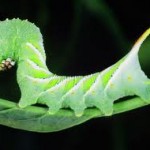
Tobacco Hornworm

Can dried Manduca sexta that fed on tobacco be used to thin blood because of the nicotine content?

{ 4 comments }

Insubstantial roots and lots of calcium oxalate

IS WILD TARO IN FLORIDA EDIBLE?

Started August 2011

Wild Taro.” My research to date: 

Is the wild taro in Florida edible? In one word, no. In two… may… be….

It is doubtful the roots of the Colocasia esculenta var. aquatilis — the taro clogging Florida’s waterways — can be reasonably rid of their acid content. The young leaves, however, might be made subacid.

Background:

Edible taro has calcium oxalate that has to be eliminated by cooking before eating, either by boiling or baking or drying. There may be other chemicals at work as well under the acid umbrella which may mask what is actually happening.

Interestingly, recent academic assertions suggests the edible, cultivated taro, Colosasia esculenta is a descendant of the Colosasia aquatilis, not the other way around. If that is the case the cultivated version should more properly be named Colocasia aquatilis var. esculenta

I think the state of Florida makes an essential mistake when reporting the effects of the escaped taro on the state’s waterways. The tenor of the articles are that C. esculenta was imported and encouraged. Then it escaped and is clogging the water ways and, by the way, its roots have an acid and must be prepared correctly.

If the “wild taro” in Florida’s waterways is an escaped C. esculenta one should be able to cook it to the point of being non-acid. Cooking instructions for C. esculenta  are boil roots and or leaves 45 minutes. This definitely does not work with Colocasia esculenta var. aquatilis.  And that would make sense if in fact their lineage is reverse, that the cultivated less-acidic taro is a tamer version of the “wild” very acidic taro.

On two occasions I collected “wild taro”  (C. aquatilis) from the St. John’s River in Sanford and the Wekiva River, at the Wekiva Marina. Boiling those chopped tiny roots for two hours in three changes of water did not eliminated the acid. Baking root chips for 30 minutes at 350F didn’t either.

Thus far I have:

1)  Boiled peeled young roots size of large marbles for  one hours, still acidic, which means burning the lips, tongue, mouth and inner skin of the elbow and finger webs.

2) Boiled various sizes of root sliced, none more than 1/4 thick or 3/4 inches across. Those I boiled for two hours in three changes of water at 30, 60, and 90 minutes, total actual boiling time 150 minutes (the other 30 minutes heating the water to boil again.) All parts, even small pieces, still were acidic. If it were C. esculenta the acid should have been gone by then. Thus Colocasia esculenta var. aquatilis is made of sterner stuff (said cole-oh-KAY-shah. ess-kew-LEN-tah variation a-KWA-ti-lis.)

3) I have baked peeled thin chips (like home-made potato chips, raw taro root rebels against slicing on a mandolin ) at 30 minutes at 350F, small, dark brown chip (incinerated) no immediate hint of acid. Larger tan chips at 30 minutes at 350F produce, after chewing, a hint of nasturtium odor and tingle to the nose and then mouth burn within half a minute. A mouth rinse with lemon juice put the fire out but my mouth was mildly sore for several hours.

4) Chips baked for an hour at 350F became cinders. I have not tried a slow, low roast for several hours. A tiny root baked unpeeled for three hours at 350 had no immediate burn on inner elbow skin. It was too unappealing for a mouth test. So much for the roots.

Another  next step is to roast large roots on moderate heat for two hours then grate them. Then  soak them for a full day changing the water often. We’ll see how that works. It is similar to what the aborigines do in Australia with a yam that has calcium oxalates in it, except they stick the roasted, grated yam in a river for a day to leach.

5) Young leaves (under six inches inner clef to tip) boiled one hour with a change of water at 30 minutes, still acidic. Boiled for two hours in three changes of water no apparent acid, but petiole (stem) near blade (leaf) was still acidic. Repeated minus stem: Boiled two hours, water changes at 30, 60 and 90 minutes, total boiling time 150 minutes (30 to heat water after two changes.)  Young leaves treated that way appear to lose their contact acid. Taste mild, if not pleasant, no oral burn. Did not consume. Edibility of the leaves of Florida’s version is unknown. Even if long-boiled leaves are edible the energy expenditure for the energy/nutritional value gained would be quite negative.

Cooked Colocasia esculenta var. aquatilis photo by Green DSeane

Uncooked Colocasia esculenta var. aquatilis. Photo by Green Deane

6)I dug up a small corm, April 2022. It was peppery raw. After roasting an hour at 350F  it was soft and flavoful but still peppery.Perhaps what natives did with other plants with calcium oxalates is bury it and build a fire over it for several days.  

7)  Another possibility is to try drying the leaves, and or leaves and petioles separated. See below.

8) Internet searching produced a Japanese monograph (1)  in 2002 about  C. aquatilis in northern Vietnam. In the abstract it states: The uses and habitats of C. esculenta var. aquatilis were linked to the agroecosystems of the delta. The plant was frequently found around canals and farmers’ ponds in the delta, and its petioles and stolons were harvested for human consumption and pig fodder.

Petioles and stolens, read stems and spaghetti-like rootlets. This might be worth more investigation, and it would have been nice if methods of collection, preparation and cooking were included.  I did not cook any stolons, using corms only, and I tried the top of only one young petiole.

First, the stolons are hard to clean, or at least the ones found in the Wekiva are, mucky like cattail roots. Next, of course, is the conflict between their report and my own experiment. I found long-boiled boiled leaves non-acidic and the stem (petiol) acidic. They make no mention of leaves and say the stems are edible. Of course the state of acid and edibility are two different issues, perhaps related but not necessarily so. Even if the Florida version could be rendered acid-less that is no indication of edibility just absence of acid. 

(1)  Tropical agriculture: Japanese journal of tropical agriculture Japanese journal of tropical agriculture: Vol.46, No.4(20021201) pp. 247-258 Vol.46, No.4 (20021201) pp. 247-258:     日本熱帯農業学会 ISSN:00215260 Japan Society for Tropical Agriculture ISSN: 00215260

{ 27 comments }