If flowers could think they would view man as an errand boy. That floral perspective would also explain one of man’s more annoying habits.
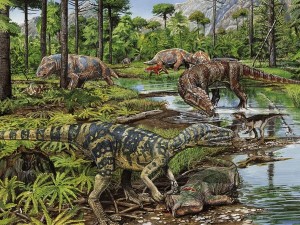
Triassic dinosaurs
Scientist who study such things tell us that up until about 200 million years ago there were no flowers, or humans. The world was green, leafy and filled with big reptiles. Everything moved slowly, including evolution. The plants pollinated by using wind or water. Plant sex was in a word, boring. It was also by chance. Since wind and water were the only modes of pollen transportation plants also did not spread very far or fast. Life was local. That isolated tranquility exploded when the blossom bust onto the scene, and the world was change, so much we are told that without flowers there would be no humans.
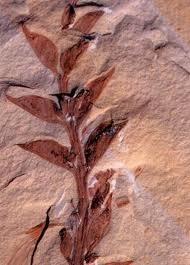
Achaefructus liaoningensis, the first flower?
Imagine if you will a rather drab leafy landscape and then a glimmer of color, a flower. That would certainly attract attention, like a light in the dark. That flower would lure visitors of various sizes and numbers of legs. And then instead of just wind and water would be visitors to spread that plant’s pollen. Thus living things that moved came to serve living things that did not move. Insects, pseudo-mammals, proto-birds, yes, even lizards found function, being the sex salves of flowers. And the flowers responded.
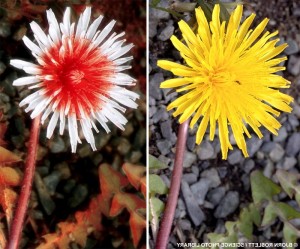
Dandelion as a bug sees it and how we see it
Flowers developed special parts to attract various visitors: Color, shape, fruits, seeds, sugars and proteins. They even tapped into different wave lengths of light to create landing patterns only insects could see. Dandelions lose their familiar color if you can see other wavelenghts of light. Flowers exxentially made the world move, and change. Flowering plants spread faster than those that did not, and more creatures started spreading all the things flowers were
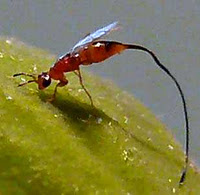
Female Fig Wasp
offering. In response the spreaders even specialized, the fig wasp that only pollenates figs, the Dufourea novae-angliae bee that only services the pickerel weed, and the Melipona bee that seems to be the only insect who knows how to sneak inside a vanilla blossom. Also among those spreading creatures was man.
As a mammal man’s role in all this was quite clear, take parts of a plant from here, deposit there, deposition usually in the form of an on-the-spot rest room, occasionally
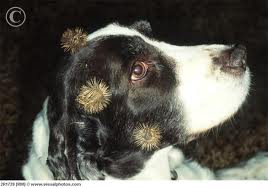
Dog with burdocks
perhaps seeds or pollen on hair. Flowers started it all and the relationship between them and man continued up to modern times. We know, for example, what folksback in ancient times ate by studying their trash heaps and bathrooms: Nuts, fruits, and vegetables. We don’t find grains or legumes until later times. Those required cooking and that required something to cook in and or a fire. But it’s hard to find roasted wheat groats in the ashes of a fire.
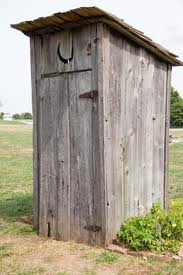 Most people stopped foraging about a century ago. Man also stopped depositing seeds willy-nilly longer ago than that. But until suburbia man did his share of spreading seeds around. Now indoor plumbing is common and any seed eaten by man most likely does not make it through the treatment plant. So not only has man stopped spreading wild seeds around but he is is trapping what seeds he does eat. That certain alters the environment some. But ,the past dies hard because he is still selectively spreading seeds around.
Instead of spreading around seeds of foraged fauna man is distributing those of ornamental flowers and agricultural crops. Pretty flowers and vegetable crops still have man engaged in spreading their seed, even if only from garden to garden. One could say these plants are still manipulating man by making him preserve their seeds (note the seed bank recently created in the arctic circle. Most weeds did not make the cut. ) So whether plants are still manipulating man, or man plants, is a bit of a debate. But there is one other aspect.
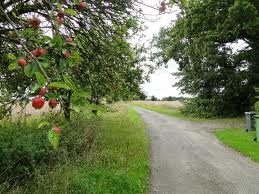 As a boy growing up in rural Maine, I wondered why apples trees always grew next to the road, not out in the field. Some of my favorite “wild” apples grew next to woods roads, never just in the woods like other trees. The apple trees grew next to roads because people tossed apple cores away. It’s interesting to realize that someone’s littering decades ago is now a tree you’re enjoying. It also implies more.
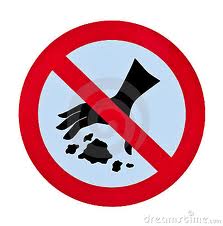 Perhaps littering is a natural instinct, a bit of the flower’s directive still operating within us. Throwing away the seeds of a fruit 40 thousand years ago was doing a plant a favor, maybe its bidding. Tossing the apple core beside the road is no different. We may just have a litter gene developed by flowers. Think of it! Most littering comes after eating food products. We consume and toss. That litter along the road side might be an evolutionary echo from long ago, a bit of our distant foraging past still with us. I think the flowers would agree.

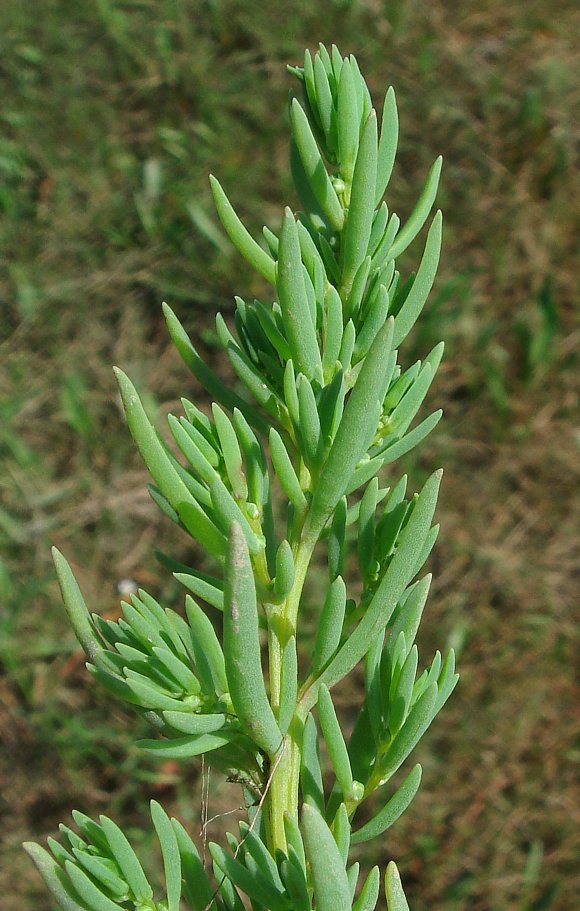 Many people have tried to make poke weed (Phytolacca americana) a green in your local grocery but toxicity and the required two-boilings have always plagued its commercialization. The ground nut (Apios americana) was one of the original exports from colonial America but it has at least a two-year growth cycle. Louisiana State University (1984-96) developed a commercial variety but the program disappeared when the professor-in-charge, Bill Blackmon, changed colleges. In 1962 Professor Julia Morton of the University of Miami recommended Spanish Needles (Bidens pilosa) become a commercial product. A half a century later that hasn’t happened, perhaps because of flavor or the fact it can grow almost anywhere as a weed. My candidate would be Suaeda linearis, Seablite, and if I could figure out how to do it I would.